


Planning agri-food expansion in 2026?
If you’re an agri-food producer or processor, 2026 is shaping up to be a pivotal year. Federal and provincial policies are increasingly aligned with private business investment, driving support for domestic food production, supply chain resilience, and long-term market stability across the agri-food sector.
That shift became clearer on January 26, 2026, when Mark Carney announced new affordability measures focused on groceries and essentials, with several direct implications for agri-food businesses and the broader food ecosystem.
If you’re planning market diversification, expanding facilities, or strengthening production, integrating funding into your plan early can materially improve project economics and reduce execution risk, especially when intakes have fixed deadlines and projects need to be defensible, measurable, and ready to execute.
What the recent measures signal for agri-food businesses
Beyond household affordability, the announcement includes business-facing tools meant to reduce cost pressure in the food system and strengthen domestic production:
- $500M from the Strategic Response Fund to help businesses manage supply-chain disruption costs without passing them through to consumers.
- A new $150M Food Security Fund under the existing Regional Tariff Response Initiative (RTRI), targeted at SMEs and the organizations that support them.
- Immediate expensing for greenhouse buildings acquired on/after November 4, 2025 and available for use before 2030, designed to accelerate investment and increase domestic supply.
Policy is increasingly tied to production resilience and domestic food capacity. For businesses, that typically means more funding streams, more scrutiny, and more competition for the best-positioned projects.
How government funding is reshaping agri-food investment priorities
In 2026, Canadian agri-food producers and processors face tighter margins and higher market volatility. Rising input costs, labour shortages, climate disruption, and trade exposure are making expansion harder to plan and riskier to deliver.
If you’re investing this year, projects need to strengthen resilience while driving growth.
Governments are responding by prioritizing funding that supports food security, domestic capacity, and productivity. The projects most consistently supported include those that:
- Expand or secure production and processing capacity
- Improve efficiency and operational control
- Support market diversification
- Strengthen supply-chain resilience and traceability
- Enhance sustainability and energy performance
Regional government funding to support your growth strategy
In Ontario, the Market Diversification and Trade Resilience Initiative opens on February 17 and supports agri-food producers and processors looking to diversify domestic and international markets.
The program supports projects that:
- Invest in equipment or technology that will launch new products and/or expand capacity to support new or growing markets.
- Build and validate a clear market entry or expansion plan for priority target markets.
- Roll out market development activities, such as product development, marketing campaigns, and sales initiatives, to accelerate growth.
With the right project structure, Ayming can help you pursue $499K+ in government grant support.
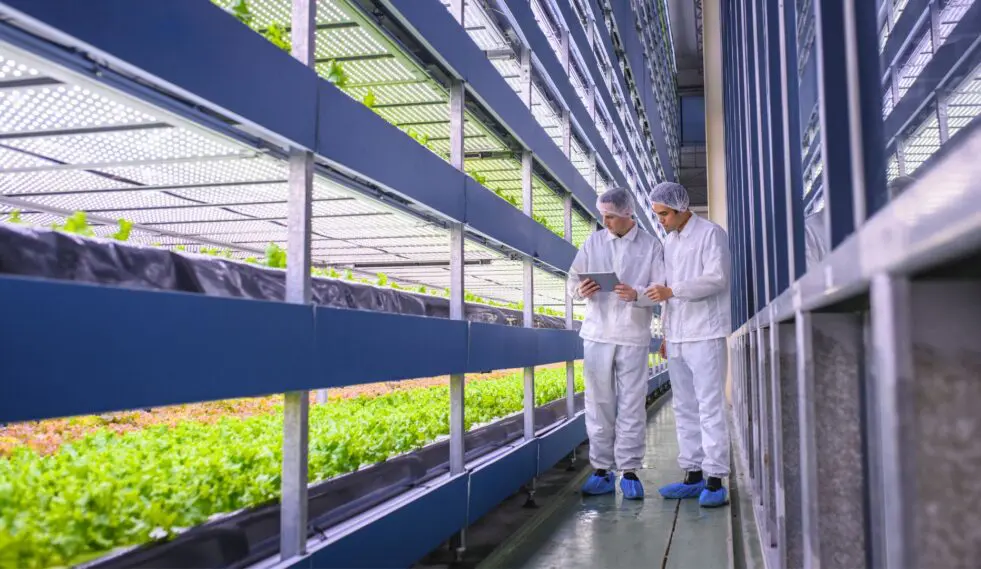
In Alberta, controlled-environment agriculture is explicitly being accelerated through the Growing Greenhouses Program, supporting:
- Expansion of an existing greenhouse or vertical farm, or
- Creation of a new greenhouse or vertical farm
This program provides up to $4M over the program duration in government grant for eligible projects aimed at increasing year-round access to fresh products for Albertans.
Canadas agri-food industry is growing, but expanding into new markets comes with key challenges; the funding gaps, tariffs, and rising costs. Programs like the Market Diversification and Trade Resiliency Initiative are changing that. At Ayming, we help producers and processors access this support to modernize, scale, and grow both domestically and internationally.Suraqa Noor, Ayming Grant Consultant
Turn your priorities into funded projects
For Canadian agri-food producers and processors, 2026 is about building resilience while expanding capacity and markets. Governments are increasingly funding projects tied to productivity, food security, and supply-chain stability, but competitive funding isn’t automatic.
Programs can be intensive, timelines can be short, and reviewers expect a clear execution plan, eligible costing, and measurable outcomes. Beyond government funding, R&D tax credits like SR&ED, the Clean Technology Investment Tax Credit, and other federal and provincial investment tax credits can further improve project economics. Many businesses also overlook funding from past projects, leaving money on the table that could be claimed retroactively.
This is where Ayming Canada comes in. We help agri-food businesses turn both current and past investments into fundable projects without slowing operations.
We support you by:
- Mapping your priorities capacity expansion, market diversification, modernization, clean technology, and digitalization, to the best-fit programs and tax incentives
- Reviewing past and current projects to uncover unclaimed SR&ED, Clean Technology, and other eligible tax credits
- Structuring a strong, measurable business case aligned to government priorities and tax credit requirements
- Building defensible budgets, milestones, and evidence to maximize grant and tax credit approval
The result is faster execution, improved ROI, and a more resilient growth path in a margin-pressured market, making sure you capture both new funding opportunities and previously missed incentives.